

Contact us
Live Chat with Tek representatives. Available 6:00 AM - 4:30 PM
Call us at
Available 6:00 AM – 5:00 PM (PST) Business Days
Download
Download Manuals, Datasheets, Software and more:
Feedback
Đồng hồ vạn năng kỹ thuật số để bàn (DMM)
Chọn đồng hồ vạn năng kỹ thuật số để bàn (DMM) tốt nhất cho ứng dụng của bạn
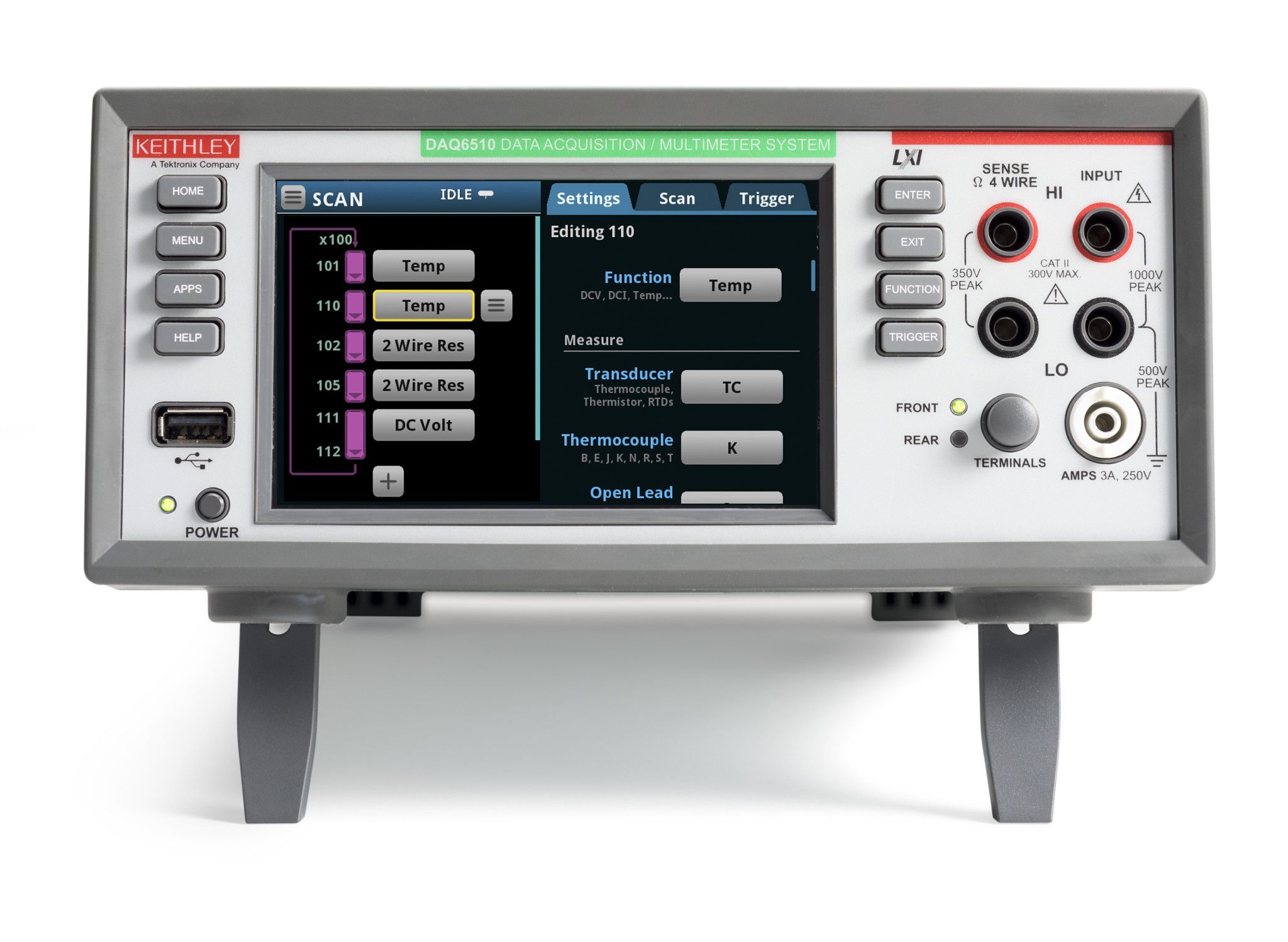
Keithley cung cấp phạm vi đa dạng nhất của hệ thống và đồng hồ vạn năng kỹ thuật số để bàn để đáp ứng mọi yêu cầu đo lường. Dòng vạn năng kỹ thuật số (D MM) này đáp ứng các yêu cầu đối với phòng thí nghiệm sinh viên với DMM cơ bản và DMM nhanh và chính xác để thử nghiệm sản xuất thành phần, mô-đun và sản phẩm lắp ráp.
Đồng hồ vạn năng kỹ thuật số nào phù hợp với bạn?
Dòng chính xác
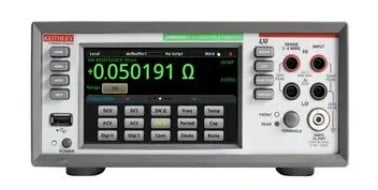
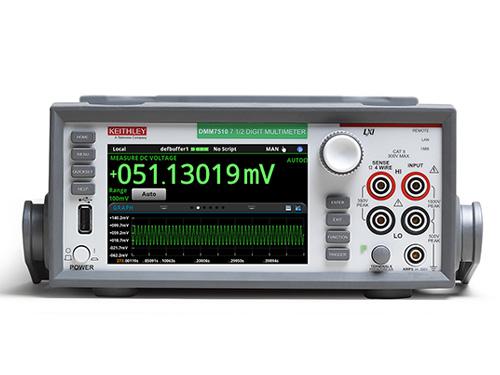
Dòng Precision là đồng hồ vạn năng kỹ thuật số cao cấp, đáng chú ý với giao diện màn hình cảm ứng giúp hợp lý hóa việc chuyển đổi từ thu thập dữ liệu sang phân tích. Dòng sản phẩm này kết hợp độ chính xác cao với tốc độ, được thể hiện bằng mẫu DMM7510, nổi bật là một trong những DMM chính xác 7,5 chữ số nhất trên thị trường. Lý tưởng cho các công việc đòi hỏi các phép đo chính xác và nhanh chóng, đây là sự lựa chọn hàng đầu cho các ứng dụng khoa học và kỹ thuật tiên tiến.
Instrumentation Series
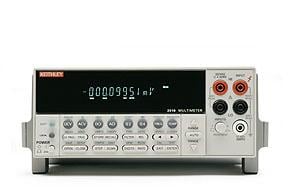
The Instrumentation Series of digital multimeters focuses on providing the fundamentals of test and measurement with trustworthy results. These multimeters are reliable and easy to use, making them perfect for standard day-to-day measurement tasks. They offer a solid balance between performance and affordability, suitable for educational purposes, general electronic troubleshooting, and basic industrial applications.
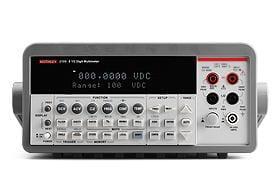
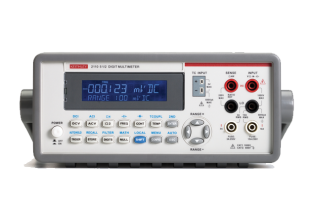
Nếu cần các phép đo đa kênh lớn hơn mười kênh, hãy xem Hệ thống chuyển đổi và thu thập dữ liệu của chúng tôi.
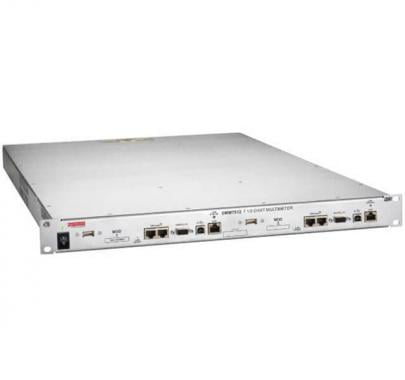
Cũng nên xem xét các Thiết bị đo nguồn (SMU) của Keithley, với đồng hồ vạn năng kỹ thuật số tích hợp, bộ cấp nguồn, nguồn dòng điện và khả năng tải điện tử.
Lợi ích của đồng hồ vạn năng kỹ thuật số Keithley (DMM)
Nhận các lợi ích về hiệu suất sau của đồng hồ vạn năng kỹ thuật số để bàn từ Keithley:
- Độ phân giải 5½ chữ số đến DMM độ phân giải 7½ chữ số
- Độ chính xác đo điện áp cơ bản 9ppm trên DMM 7½ chữ số cho các phòng thí nghiệm hiệu chuẩn
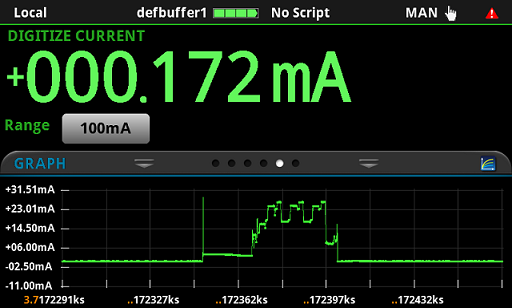
- Tốc độ lấy mẫu nhanh, 1 Msample/giây để nắm bắt các cấu hình dòng điện phức tạp, mức độ thấp từ các thiết bị IoT hoặc các thiết bị không dây khác
- Độ nhạy 1 µΩ và 1 pA để kiểm tra các thiết bị công suất thấp nhằm kiểm tra nghiên cứu, thiết kế và chế tạo
- Một loạt các chức năng đo lường như vôn DC và AC, dòng điện DC và AC, Ôm hai và bốn dây, tính liên tục, tần số, chu kỳ, RTD, nhiệt điện trở và nhiệt độ cặp nhiệt điện, kiểm tra điốt và điện dung
- Nhiều tùy chọn giao diện bao gồm LAN/LXI, USB-TMC, GPIB và RS-232 để thu thập dữ liệu và kiểm tra tự động
- Thông tin để thực hiện các bài kiểm tra và tạo các phép đo tùy chỉnh với tương tác máy tính tối thiểu
- Mở rộng phép đo lên đến mười kênh
Ra mắt đồng hồ vạn năng kỹ thuật số: Hướng dẫn toàn diện
Đồng hồ vạn năng kỹ thuật số, được gọi trìu mến là DMM, là một công cụ không thể thiếu đối với bất kỳ ai làm việc trong lĩnh vực điện tử. Nó phục vụ như một dụng cụ đo đa năng, có khả năng định lượng nhiều thông số điện, bao gồm điện áp, dòng điện và điện trở. Cho dù bạn là một chuyên gia dày dạn kinh nghiệm hay một người đam mê mới chớm nở, việc hiểu được sự phức tạp của DMM là rất quan trọng để điều hướng thế giới điện tử một cách chính xác và tự tin.
Đồng hồ vạn năng kỹ thuật số là gì?
Đồng hồ vạn năng kỹ thuật số để bàn đo các kích thích điện, bao gồm điện áp, dòng điện và điện trở. Nó là một công cụ chẩn đoán được các kỹ sư điện và điện tử sử dụng hàng ngày và kết hợp các tính năng của vôn kế, ampe kế và ohmmeter.
Đồng hồ vạn năng kỹ thuật số dùng để làm gì?
Dưới đây là một số ứng dụng phổ biến của DMM:
-
Khắc phục sự cố: DMM là công cụ trong việc xác định và giải quyết các lỗi điện trong mạch, linh kiện và thiết bị.
-
Kiểm tra thành phần: DMM có thể đo các đặc tính điện của các thành phần riêng lẻ, đảm bảo chúng đáp ứng các thông số kỹ thuật cần thiết.
-
Kiểm tra mạch: DMM được sử dụng để xác minh hoạt động đúng của các mạch điện tử, đảm bảo chúng cung cấp điện áp và dòng điện dự kiến.
-
Kiểm tra pin: DMM có thể đo điện áp và dòng điện đầu ra của pin, đánh giá sức khỏe và hiệu suất của chúng.
Cách chọn đồng hồ vạn năng kỹ thuật số phù hợp
Với rất nhiều DMM có sẵn trên thị trường, việc lựa chọn loại phù hợp nhất cho nhu cầu của bạn có thể khó khăn. Để đưa ra quyết định sáng suốt, hãy xem xét các yếu tố sau:
-
Độ chính xác đo lường: Độ chính xác của DMM là tối quan trọng, đặc biệt đối với các ứng dụng mà các phép đo chính xác là rất quan trọng. Tìm kiếm DMM có thông số kỹ thuật chính xác cao, được biểu thị bằng giá trị độ không chắc chắn phần trăm thấp hơn.
-
Phạm vi đo lường: Phạm vi đo xác định phạm vi giá trị mà DMM có thể đo. Đảm bảo phạm vi của DMM bao gồm các giá trị bạn thường gặp trong các ứng dụng của mình.
-
Các tính năng và chức năng: DMM cung cấp nhiều tính năng và chức năng, chẳng hạn như ghi dữ liệu, đo RMS thực sự và chế độ tương đối. Chọn DMM với các tính năng phù hợp với yêu cầu cụ thể của bạn.
-
Xếp hạng an toàn: An toàn là tối quan trọng khi làm việc với thiết bị điện. Đảm bảo DMM bạn chọn đáp ứng các tiêu chuẩn an toàn cho các ứng dụng dự định.
Để biết thêm chi tiết cụ thể về tiêu chí và thông số kỹ thuật để chọn DMM, vui lòng tham khảo Hướng dẫn chọn Đồng hồ vạn năng kỹ thuật số của chúng tôi.
Tài nguyên
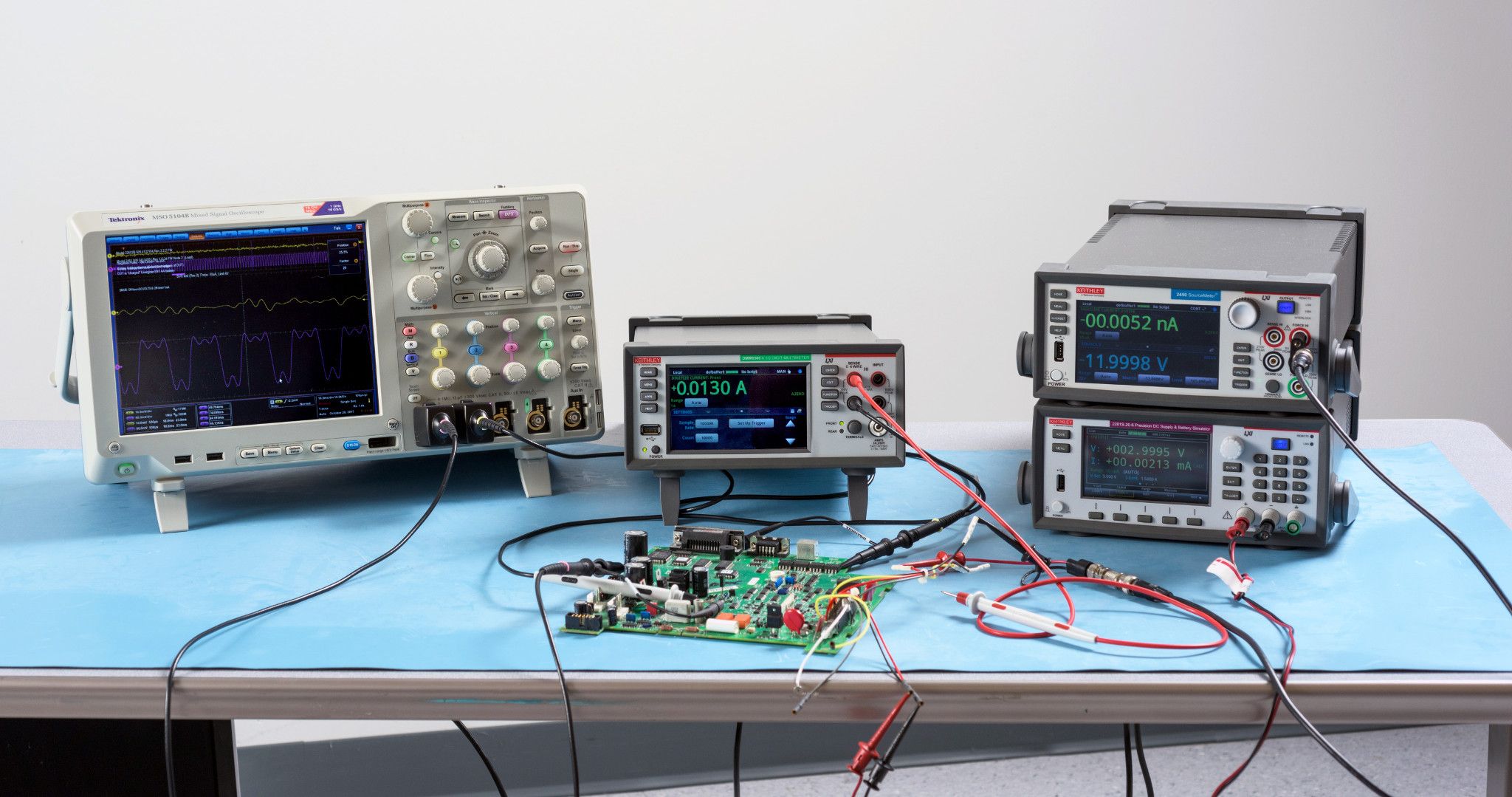
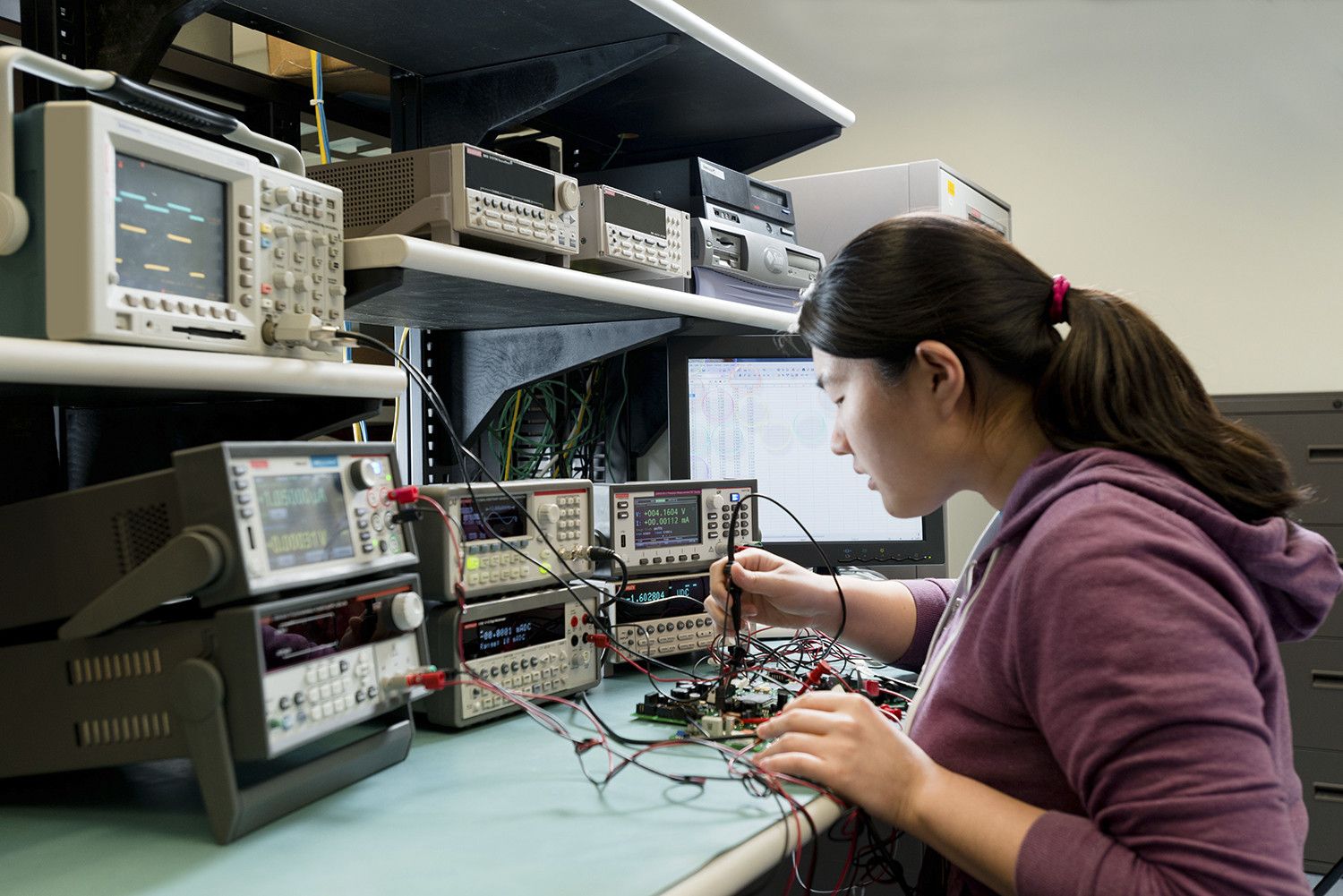
Câu hỏi thường gặp về Đồng hồ vạn năng kỹ thuật số
What is a benchtop digital multimeter?
A benchtop digital multimeter measures electrical stimuli, including voltage, current, and resistance. It’s a diagnostic tool used by electrical and electronic engineers daily and combines the features of a voltmeter, ammeter, and ohmmeter.
What is a benchtop digital multimeter used for?
Here are some common applications of the DMM:
-
Troubleshooting: DMMs are instrumental in identifying and resolving electrical faults in circuits, components, and devices.
-
Component Testing: DMMs can measure the electrical characteristics of individual components, ensuring they meet the required specifications.
-
Circuit Testing: DMMs are used to verify the proper operation of electronic circuits, ensuring they deliver the expected voltages and currents.
-
Battery Testing: DMMs can measure the voltage and current output of batteries, assessing their health and performance.
How do benchtop digital multimeters work?
Digital multimeters attach to probes, leads, or clamps, which are connected to an electronic device. They then measure the device's voltage, current, or resistance and use an analog to digital converter to present a value on the display.
How do you use a benchtop multimeter?
Here's a step-by-step guide on how to use a digital multimeter:
1. Familiarize Yourself with the Multimeter: Before starting, take some time to familiarize yourself with the different parts of the multimeter, including the display, function selector knob, range selector knob, test leads, COM (common) terminal, and measuring terminal.
2. Choose the Measurement Type: Decide on the type of measurement you want to perform, such as voltage, current, or resistance. This will guide you in setting the function selector knob to the appropriate position (V, A, or Ω).
3. Select the Measurement Range: Estimate the approximate value of the parameter you're measuring. Set the range selector knob to a range that encompasses this value. Start with a higher range and gradually decrease it until you get a stable reading on the display.
4. Connect the Test Leads: Connect the black test lead to the COM terminal on the multimeter. Connect the red test lead to the appropriate measuring terminal based on the measurement type:
- Voltage: Red lead to the positive terminal of the circuit or component.
- Current: Red lead in series with the circuit element where you want to measure the current.
- Resistance: Red lead to one terminal of the resistor, black lead to the other terminal.
5. Turn on the Multimeter: Press the power button to turn on the multimeter.
6. Touch the Probe Tips: Carefully touch the probe tips of the test leads to the appropriate points on the circuit or component being measured. Ensure proper contact and avoid touching any other conductors or yourself.
7. Observe the Reading: Observe the displayed reading on the multimeter. The value will indicate the measurement of the parameter you selected.
8. Interpret the Reading: Pay attention to the units displayed along with the reading (V, A, or Ω). For voltage measurements, consider the polarity: positive for red lead on positive terminal, negative for red lead on negative terminal.
9. Disconnect the Test Leads: Once the measurement is complete, remove the test leads from the circuit or component.
How to read a digital multimeter?
Reading a digital multimeter involves understanding the different parts of the meter and how they work together to provide electrical measurements. Here's a step-by-step guide on how to read a digital multimeter:
1. Identify the Components:
A digital multimeter typically consists of the following components:
-
Display: The screen where the measurement readings are displayed.
-
Function Selector Knob: A dial or switch used to select the type of measurement you want to make, such as voltage, current, or resistance.
-
Range Selector Knob: A dial or switch used to select the range of values the meter can measure.
-
Test Leads: Two wires with probes at the ends, used to connect the meter to the circuit or component being measured.
-
Common Terminal (COM): The black test lead is typically connected to this terminal, which serves as the reference point for the measurements.
-
Measuring Terminal: The red test lead is typically connected to this terminal, which is used to make the actual measurement.
2. Connect the Test Leads:
-
Connect the black test lead to the COM terminal on the multimeter.
-
Connect the red test lead to the appropriate measuring terminal, depending on the type of measurement you want to make:
*For voltage measurements, connect the red lead to the positive terminal of the circuit or component.
*For current measurements, connect the red lead in series with the circuit element where you want to measure the current.
*For resistance measurements, connect the red lead to one terminal of the resistor and the black lead to the other terminal.
3. Set the Function Selector Knob:
Rotate the function selector knob to the desired measurement type, such as voltage (V), current (A), or resistance (Ω).
4. Set the Range Selector Knob:
Choose the appropriate measurement range based on the expected value of the parameter you are measuring. Start with a higher range and gradually decrease it until you get a stable reading on the display.
5. Take the Measurement:
-
Touch the probe tips of the test leads to the appropriate points on the circuit or component being measured.
-
Observe the reading on the display. The reading will indicate the value of the parameter you are measuring.
6. Interpret the Reading:
-
Pay attention to the units displayed along with the reading, such as volts (V) for voltage, amps (A) for current, and ohms (Ω) for resistance.
-
Consider the polarity for voltage measurements. A positive reading indicates that the red test lead is connected to the positive terminal, while a negative reading indicates that it is connected to the negative terminal.
7. Disconnect the Test Leads:
Once the measurement is complete, disconnect the test leads from the circuit or component.
What's the difference between handheld and benchtop digital multimeters?
Handheld digital multimeters, like those manufactured by Fluke, are used by electricians, electrical contractors and HVAC specialists to make measurements and troubleshoot potentially hazardous systems in the field. Benchtop multimeters, like those made by Keithley, are instruments used by electrical and electronic engineers to perform more advanced measurements and gain confidence in their designs. These instruments are extremely precise and have a variety of advanced functionality, including the ability to program automation, slow or speed up measurements to observe low-level or transient signal behavior, and interface with other instruments.
Can Keithley digital multimeters be rack mounted?
Yes, Keithley digital multimeters can be rack mounted with the appropriate kit.
What are the safety precautions when using a benchtop digital multimeter?
When using a digital multimeter, it is important to follow safety precautions to avoid electrical hazards:
-
Always read the user manual carefully before using the DMM.
-
Always use the appropriate voltage and current ranges for the circuit you are measuring.
-
Never touch exposed wires or components while the DMM is connected to a circuit.
-
Always work in a well-lit and ventilated area.
-
Wear proper personal protective equipment (PPE), such as safety glasses and gloves, when working with electrical circuits.
-
Never use a DMM that is damaged or malfunctioning.