

Kontaktaufnahme
Live-Chat mit Tektronix-Vertretern. Verfügbar von 9 bis 17 Uhr CET Geschäftstage.
Kontaktieren Sie uns telefonisch unter
Verfügbar von 9 bis 17 Uhr CET Geschäftstage.
Download
Laden Sie Handbücher, Datenblätter, Software und vieles mehr herunter:
Feedback
Tisch-Digitalmultimeter (DMM)
Wählen Sie das beste Tisch-Digitalmultimeter (DMM) für Ihre Anwendung
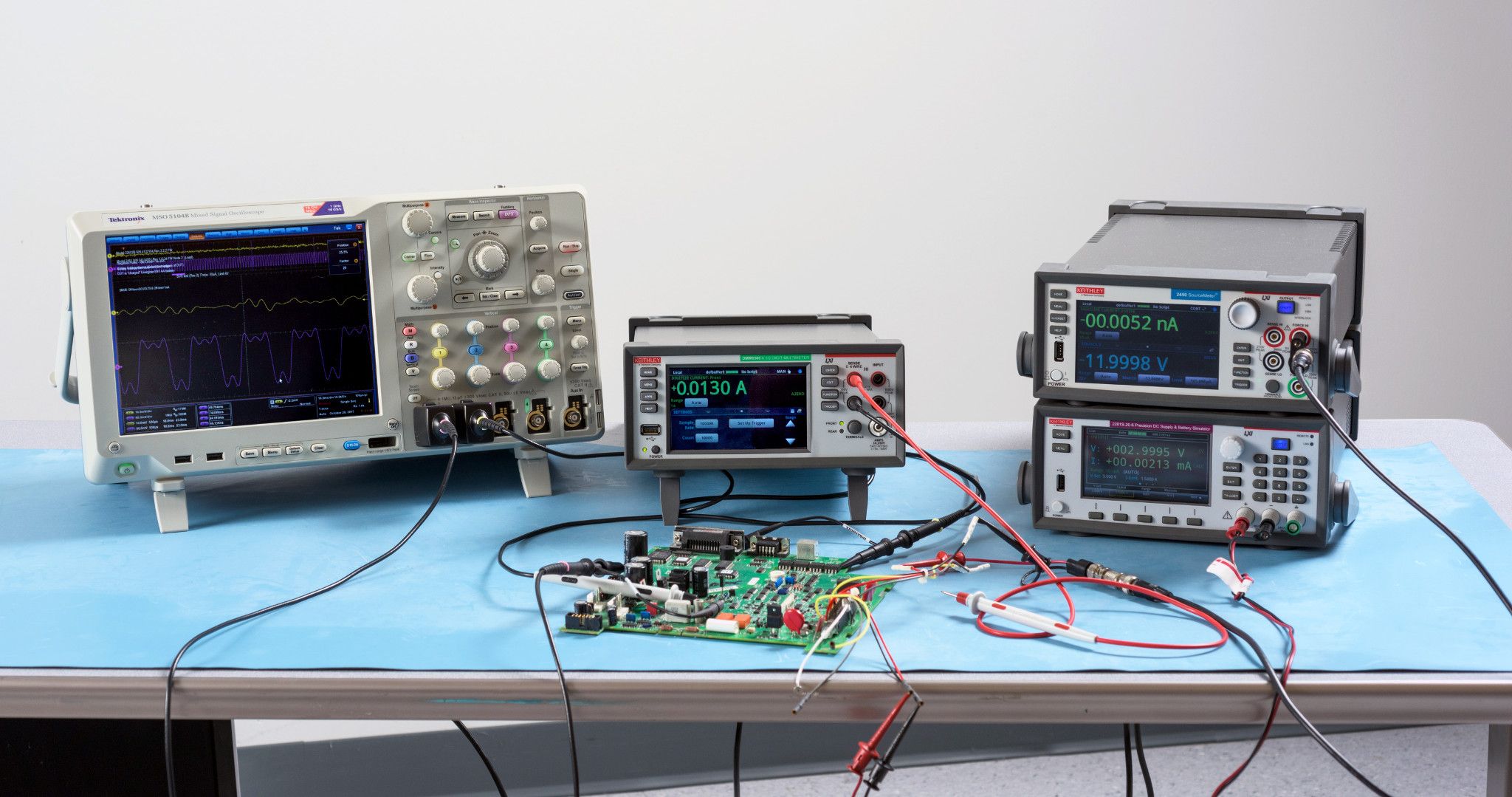
Keithley bietet die größte Auswahl an System - und Tisch-Digitalmultimetern für alle Messanforderungen. Diese Reihe von Digitalmultimetern (DMMs) erfüllt die Anforderungen von Studentenlabors mit einfachen DMMs und schnellen und genauen DMMs für die Prüfung von Komponenten, Modulen und zusammengebauten Produkten.
Welches Digitalmultimeter ist das Richtige für Sie?
Präzisionsserie
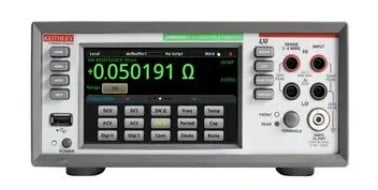
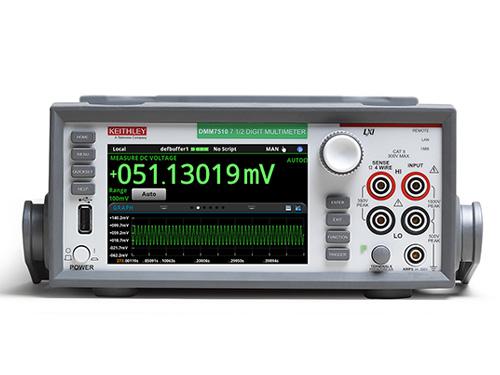
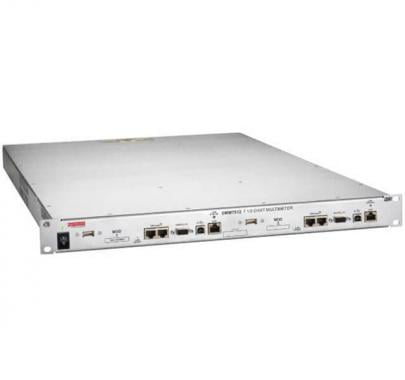
Bei der Precision-Serie handelt es sich um hochwertige Digitalmultimeter, die sich durch ihre Touchscreen-Oberfläche auszeichnen, die den Übergang von der Datenerfassung zur Analyse optimiert. Diese Serie vereint hohe Genauigkeit mit Geschwindigkeit, wie das Modell DMM7510 beispielhaft verdeutlicht, das sich als eines der präzisesten 7,5-stelligen Digitalmultimeter auf dem Markt auszeichnet. Ideal für Aufgaben, die präzise und schnelle Messungen erfordern, ist es die erste Wahl für anspruchsvolle wissenschaftliche und technische Anwendungen.
Instrumentation Series
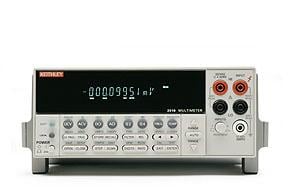
The Instrumentation Series of digital multimeters focuses on providing the fundamentals of test and measurement with trustworthy results. These multimeters are reliable and easy to use, making them perfect for standard day-to-day measurement tasks. They offer a solid balance between performance and affordability, suitable for educational purposes, general electronic troubleshooting, and basic industrial applications.
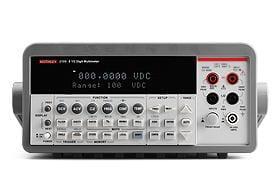
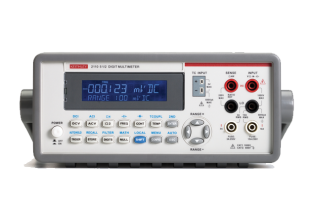
Sind Mehrkanalmessungen von mehr als zehn Kanälen erforderlich, siehe unsere Schalt- und Datenerfassungssysteme.
Es sind auch Keithley-Multifunktionsmessgeräte (SMU) mit integrierten Funktionen für digitales Multimeter, Stromversorgung, Stromquelle und elektronische Last verfügbar.
Vorteile der Keithley-Digitalmultimeter (DMM)
Profitieren Sie von den folgenden Leistungsvorteilen eines Tisch-Digitalmultimeters von Keithley:
- Digitalmultimeter mit 5½-stelliger bis 7½-stelliger Auflösung
- 9 ppm Basis-Spannungsmessgenauigkeit auf dem 7½-stelligen DMM für Kalibrierlaboratorien
- Schnelle 1-M-Abtastrate/n zum Erfassen von komplexen, niederohmigen Stromprofilen von IoT-Geräten oder anderen drahtlosen Geräten
- Empfindlichkeit von 1 µΩ und 1 pA zum Testen von Schwachstromgeräten für Forschungs-, Entwicklungs-und Fertigungstests
- Zahlreiche Messfunktionen wie Gleich- und Wechselspannung, Gleich- und Wechselstrom, Widerstandsmessungen bei Zwei- und Vierleiterschaltungen, Durchgang, Frequenz, Periode, sowie Temperaturmessungen mit Widerstandsthermometern, Thermistoren und Thermoelementen, Diodentests und Kapazitätsmessungen
- Zahlreiche Schnittstellenoptionen wie LAN/LXI, USB-TMC, GPIB und RS-232 zur Datenerfassung und zum automatisierten Prüfen
- Fähigkeit zum Durchführen von Tests und Erstellen von kundenspezifischen Messungen mit minimaler PC-Interaktion
- Messwerterweiterung auf bis zu zehn Kanäle
Enthüllung der Digital-Labor-Multimeter: Ein umfassender Leitfaden
Das Digitalmultimeter, liebevoll DMM genannt, ist ein unverzichtbares Werkzeug für alle, die im Bereich der Elektronik arbeiten. Es dient als vielseitiges Messinstrument, mit dem sich eine Vielzahl elektrischer Parameter quantifizieren lassen, darunter Spannung, Stromstärke und Widerstand. Egal ob Sie ein erfahrener Profi oder ein angehender Enthusiast sind, das Verständnis der Feinheiten des Digitalmultimeters ist entscheidend, um sich präzise und souverän in der Welt der Elektronik zu bewegen.
Was ist ein Digitalmultimeter?
Ein Tisch-Labor-Multimeter misst elektrische Reize, einschließlich Spannung, Strom und Widerstand. Es ist ein Diagnosetool, das täglich von Elektro- und Elektronikingenieuren verwendet wird und die Funktionen eines Voltmeters, eines Amperemeters und eines Ohmmeters kombiniert.
Wofür wird ein Digitalmultimeter verwendet?
Hier einige gängige Anwendungsgebiete des DMM:
-
Fehlersuche: Digitalmultimeter sind unverzichtbar bei der Identifizierung und Behebung elektrischer Fehler in Stromkreisen, Bauteilen und Geräten.
-
Komponentenprüfung: Mit Digitalmultimetern können die elektrischen Eigenschaften einzelner Komponenten gemessen werden, um sicherzustellen, dass diese die erforderlichen Spezifikationen erfüllen.
-
Schaltungsprüfung: Digitale Multimeter werden verwendet, um die ordnungsgemäße Funktion elektronischer Schaltungen zu überprüfen und sicherzustellen, dass sie die erwarteten Spannungen und Ströme liefern.
-
Batterieprüfung: Mit Digitalmultimetern (DMMs) lassen sich Spannung und Stromstärke von Batterien messen, um deren Zustand und Leistungsfähigkeit zu beurteilen.
So wählen Sie die richtigen Digitalmultimeter aus
Bei der Vielzahl an Digitalmultimetern, die auf dem Markt erhältlich sind, kann die Auswahl des für Ihre Bedürfnisse am besten geeigneten Geräts eine Herausforderung sein. Um eine fundierte Entscheidung zu treffen, sollten Sie folgende Faktoren berücksichtigen:
-
Messgenauigkeit: Die Genauigkeit eines Digitalmultimeters ist von größter Bedeutung, insbesondere bei Anwendungen, bei denen präzise Messungen entscheidend sind. Achten Sie auf Digitalmultimeter mit hohen Genauigkeitsspezifikationen, erkennbar an einem niedrigen prozentualen Unsicherheitswert.
-
Messbereich: Der Messbereich bestimmt den Wertebereich, den das Digitalmultimeter messen kann. Stellen Sie sicher, dass der Messbereich des Digitalmultimeters die Werte umfasst, die in Ihren Anwendungen typischerweise vorkommen.
-
Merkmale und Funktionen: Digitale Multimeter bieten eine Vielzahl von Merkmalen und Funktionen, wie z. B. Datenprotokollierung, True-RMS-Messungen und Relativmodus. Wählen Sie ein Digitalmultimeter mit Funktionen, die Ihren spezifischen Anforderungen entsprechen.
-
Sicherheitsbewertungen: Sicherheit hat bei der Arbeit mit elektrischen Geräten oberste Priorität. Stellen Sie sicher, dass das von Ihnen gewählte Digitalmultimeter die Sicherheitsstandards für die vorgesehenen Anwendungen erfüllt.
Genauere Informationen zu den Kriterien und Spezifikationen für die Auswahl eines digitalen Digitalmultimeters finden Sie in unserem Auswahlleitfaden für Digitalmultimeter.
Ressourcen
Digital multimeter FAQs
What is a benchtop digital multimeter?
A benchtop digital multimeter measures electrical stimuli, including voltage, current, and resistance. It’s a diagnostic tool used by electrical and electronic engineers daily and combines the features of a voltmeter, ammeter, and ohmmeter.
What is a benchtop digital multimeter used for?
Here are some common applications of the DMM:
-
Troubleshooting: DMMs are instrumental in identifying and resolving electrical faults in circuits, components, and devices.
-
Component Testing: DMMs can measure the electrical characteristics of individual components, ensuring they meet the required specifications.
-
Circuit Testing: DMMs are used to verify the proper operation of electronic circuits, ensuring they deliver the expected voltages and currents.
-
Battery Testing: DMMs can measure the voltage and current output of batteries, assessing their health and performance.
How do benchtop digital multimeters work?
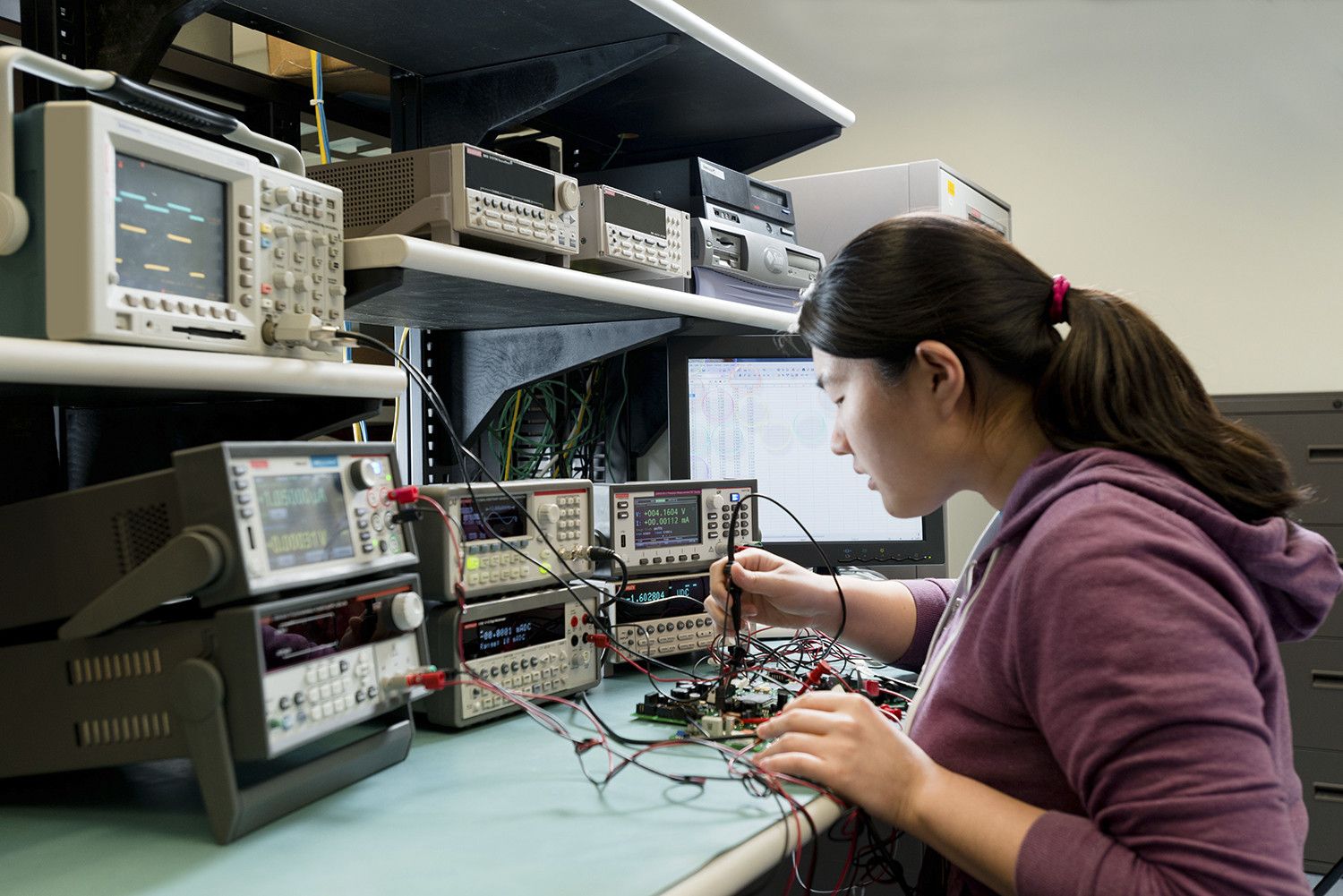
Digital multimeters attach to probes, leads, or clamps, which are connected to an electronic device. They then measure the device's voltage, current, or resistance and use an analog to digital converter to present a value on the display.
How do you use a benchtop multimeter?
Here's a step-by-step guide on how to use a digital multimeter:
1. Familiarize Yourself with the Multimeter: Before starting, take some time to familiarize yourself with the different parts of the multimeter, including the display, function selector knob, range selector knob, test leads, COM (common) terminal, and measuring terminal.
2. Choose the Measurement Type: Decide on the type of measurement you want to perform, such as voltage, current, or resistance. This will guide you in setting the function selector knob to the appropriate position (V, A, or Ω).
3. Select the Measurement Range: Estimate the approximate value of the parameter you're measuring. Set the range selector knob to a range that encompasses this value. Start with a higher range and gradually decrease it until you get a stable reading on the display.
4. Connect the Test Leads: Connect the black test lead to the COM terminal on the multimeter. Connect the red test lead to the appropriate measuring terminal based on the measurement type:
- Voltage: Red lead to the positive terminal of the circuit or component.
- Current: Red lead in series with the circuit element where you want to measure the current.
- Resistance: Red lead to one terminal of the resistor, black lead to the other terminal.
5. Turn on the Multimeter: Press the power button to turn on the multimeter.
6. Touch the Probe Tips: Carefully touch the probe tips of the test leads to the appropriate points on the circuit or component being measured. Ensure proper contact and avoid touching any other conductors or yourself.
7. Observe the Reading: Observe the displayed reading on the multimeter. The value will indicate the measurement of the parameter you selected.
8. Interpret the Reading: Pay attention to the units displayed along with the reading (V, A, or Ω). For voltage measurements, consider the polarity: positive for red lead on positive terminal, negative for red lead on negative terminal.
9. Disconnect the Test Leads: Once the measurement is complete, remove the test leads from the circuit or component.
How to read a digital multimeter?
Reading a digital multimeter involves understanding the different parts of the meter and how they work together to provide electrical measurements. Here's a step-by-step guide on how to read a digital multimeter:
1. Identify the Components:
A digital multimeter typically consists of the following components:
-
Display: The screen where the measurement readings are displayed.
-
Function Selector Knob: A dial or switch used to select the type of measurement you want to make, such as voltage, current, or resistance.
-
Range Selector Knob: A dial or switch used to select the range of values the meter can measure.
-
Test Leads: Two wires with probes at the ends, used to connect the meter to the circuit or component being measured.
-
Common Terminal (COM): The black test lead is typically connected to this terminal, which serves as the reference point for the measurements.
-
Measuring Terminal: The red test lead is typically connected to this terminal, which is used to make the actual measurement.
2. Connect the Test Leads:
-
Connect the black test lead to the COM terminal on the multimeter.
-
Connect the red test lead to the appropriate measuring terminal, depending on the type of measurement you want to make:
*For voltage measurements, connect the red lead to the positive terminal of the circuit or component.
*For current measurements, connect the red lead in series with the circuit element where you want to measure the current.
*For resistance measurements, connect the red lead to one terminal of the resistor and the black lead to the other terminal.
3. Set the Function Selector Knob:
Rotate the function selector knob to the desired measurement type, such as voltage (V), current (A), or resistance (Ω).
4. Set the Range Selector Knob:
Choose the appropriate measurement range based on the expected value of the parameter you are measuring. Start with a higher range and gradually decrease it until you get a stable reading on the display.
5. Take the Measurement:
-
Touch the probe tips of the test leads to the appropriate points on the circuit or component being measured.
-
Observe the reading on the display. The reading will indicate the value of the parameter you are measuring.
6. Interpret the Reading:
-
Pay attention to the units displayed along with the reading, such as volts (V) for voltage, amps (A) for current, and ohms (Ω) for resistance.
-
Consider the polarity for voltage measurements. A positive reading indicates that the red test lead is connected to the positive terminal, while a negative reading indicates that it is connected to the negative terminal.
7. Disconnect the Test Leads:
Once the measurement is complete, disconnect the test leads from the circuit or component.
What's the difference between handheld and benchtop digital multimeters?
Handheld digital multimeters, like those manufactured by Fluke, are used by electricians, electrical contractors and HVAC specialists to make measurements and troubleshoot potentially hazardous systems in the field. Benchtop multimeters, like those made by Keithley, are instruments used by electrical and electronic engineers to perform more advanced measurements and gain confidence in their designs. These instruments are extremely precise and have a variety of advanced functionality, including the ability to program automation, slow or speed up measurements to observe low-level or transient signal behavior, and interface with other instruments.
Can Keithley digital multimeters be rack mounted?
Yes, Keithley digital multimeters can be rack mounted with the appropriate kit.
What are the safety precautions when using a benchtop digital multimeter?
When using a digital multimeter, it is important to follow safety precautions to avoid electrical hazards:
-
Always read the user manual carefully before using the DMM.
-
Always use the appropriate voltage and current ranges for the circuit you are measuring.
-
Never touch exposed wires or components while the DMM is connected to a circuit.
-
Always work in a well-lit and ventilated area.
-
Wear proper personal protective equipment (PPE), such as safety glasses and gloves, when working with electrical circuits.
-
Never use a DMM that is damaged or malfunctioning.