Signal Integrity
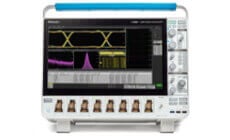
There are two kinds of designers -- those who have signal integrity problems, and those who will. Digital signal integrity is about distributing signals from one part of a digital circuit to another in a way that deterministically and dependably delivers the digital information contained therein. Ensuring adequate Digital Signal Integrity requires specific analysis in the design phase and characterization by empirical measurements of prototypes to validate the effectiveness of the design modeling methods.
Application Information
Related Information
Digital Design Debugging Guide
This Digital Design Debug Guide will provide you an in depth overview of the various signal problems you might find in embedded system designs, and how to debug them faster when using digital oscilloscopes like the DPO4000 and DPO7000.
Timing Error Debugging
This note explains how to speed up troubleshooting by using more of the features in your logic analyzer and oscilloscope.
Impedance Characterization Using Time Domain Reflectometry (TDR)
Signal integrity is a growing priority as digital system designers pursue ever-higher clock and data rates in computer, communications, video and network systems. To ensure signal integrity, it is necessary to understand and control impedance in the transmission environment through which the signals travel.
Timing Error Debugging
This note explains how to speed up troubleshooting by using more of the features in your logic analyzer and oscilloscope.
Logic Analyzer Triggering Techniques To Capture Elusive Problems
This application note explains how to use logic analyzer triggering to meet your design schedule and improve your design quality by capturing elusive problems and verifying your design implementation. Efficient solutions to elusive problems fast.